




Beginner Tips for Composting at Home: A Simple Guide to Start
Composting is an excellent way to reduce kitchen and garden waste while creating nutrient-rich soil for your plants. If you’re new to composting, starting at home can seem overwhelming, but with a few simple tips, you’ll find it easy and rewarding. This guide will walk you through the basics of composting, what materials to use, and how to maintain your compost pile effectively.
What is Composting?
Composting is the natural process of recycling organic matter, such as food scraps and yard waste, into a valuable fertilizer that can enrich soil. Instead of throwing these materials away, composting turns them into nutrient-dense humus that helps plants grow better and reduces landfill waste.
Why Start Composting at Home?
– Reduces waste: Composting diverts a significant amount of organic waste from landfills.
– Enriches soil: Compost improves soil structure, moisture retention, and nutrient content.
– Saves money: You can reduce the need for chemical fertilizers and buy less soil conditioner.
– Environmental benefits: Composting decreases greenhouse gas emissions related to organic waste decomposition in landfills.
Getting Started: What You Need
Choose a Compost Bin or Pile
You can compost in many ways, depending on your space and preference:
– Compost bin: A container that holds your compost pile, available in many sizes and styles.
– Open pile: Simply a spot in your yard where you collect compost materials.
– Tumbler: A rotating bin that makes turning compost easier.
Choose a location that is well-drained, has good airflow, and is convenient for adding materials regularly.
Gather Compost Materials
Compost needs a balance of two main types of materials:
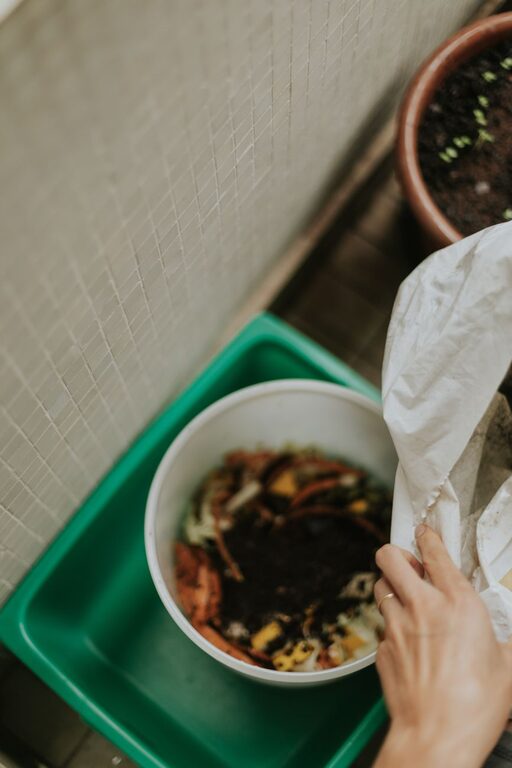
– Greens (Nitrogen-rich): These are moist and include fruit and vegetable scraps, coffee grounds, fresh grass clippings, and garden trimmings.
– Browns (Carbon-rich): These are dry and include leaves, straw, shredded paper, cardboard, and wood chips.
A good starting ratio is about 2 parts browns to 1 part greens.
What to Compost and What to Avoid
Safe to Compost
– Fruit and vegetable scraps
– Coffee grounds and tea bags
– Eggshells (crushed)
– Grass clippings and plant trimmings
– Leaves and small branches
– Shredded newspaper and cardboard
Avoid Composting
– Meat, fish, dairy products (attract pests)
– Oils and fats
– Pet waste
– Diseased plants
– Weeds with seeds (to avoid spreading)
– Treated wood or sawdust
Step-by-Step Guide to Starting Your Compost
- **Prepare your bin or pile:** Place your compost container in a shaded, accessible spot.
- **Start layering:** Begin by adding a few inches of browns (leaves or straw) to the bottom for airflow.
- **Add greens:** Add your kitchen scraps and green yard waste on top.
- **Alternate layers:** Keep layering browns and greens.
- **Keep it moist:** Your compost should be about as damp as a wrung-out sponge. Water if it’s too dry or add dry browns if too wet.
- **Turn regularly:** Every 1–2 weeks, use a garden fork or compost aerator to mix the pile, helping oxygen flow and speeding decomposition.
- **Patience is key:** Composting can take anywhere from 2 months to a year depending on conditions.
Tips for Success
– Chop materials: Smaller pieces break down faster.
– Avoid bad smells: If your compost smells bad, it might be too wet or have too many greens. Add more browns and turn it.
– Use a compost thermometer: For larger piles, keeping the temperature between 130–160°F (54–71°C) helps kill pathogens and seeds.
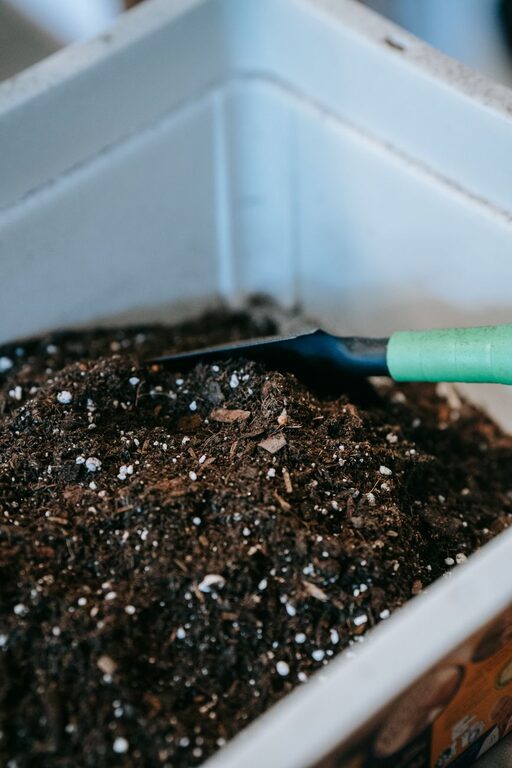
– Harvest the compost: When the pile looks dark, crumbly, and earthy, it’s ready. You can sift it before applying to your garden.
Using Your Finished Compost
Use compost as:
– A soil amendment mixed into garden beds
– Mulch around plants to retain moisture
– Potting mix ingredient for container gardening
– Lawn top dressing to improve grass health
Common Challenges and Solutions
| Challenge | Solution |
|————————|—————————————————-|
| Slow decomposition | Chop materials, turn often, maintain moisture |
| Pests or rodents | Use enclosed bins, avoid meat and oily foods |
| Bad odor | Add more browns, turn the pile, check moisture |
| Compost too dry or wet | Water when dry, add dry browns if too wet |
Final Thoughts
Composting at home is a rewarding and environmentally friendly practice that anyone can start. It helps reduce waste, nurtures your garden, and connects you with nature’s natural cycles. With patience and these beginner tips, you’ll be on your way to creating rich, healthy compost in no time.
Happy composting!