









Practical Ways to Reduce Food Waste at Home
Reducing food waste at home is a powerful way to save money, conserve resources, and support a healthier planet. Each year, millions of tons of edible food end up in the trash, leaving a significant environmental footprint. Fortunately, there are many straightforward changes you can make in your daily routine to cut down on food waste. This guide will walk you through practical and easy-to-follow tips to help you get started.
Why Reducing Food Waste Matters
Food waste not only wastes the food itself but also the water, energy, and labor needed to produce, transport, and store it. When food scraps go to landfills, they produce methane, a potent greenhouse gas. By reducing waste, you lower your environmental impact and stretch your grocery budget further.
Plan Ahead with Smart Shopping
Make a Detailed Grocery List
Before heading to the store, check your pantry and fridge to see what you already have. Plan meals for the week and create a shopping list based on those plans. Sticking to a list can help prevent impulse buys and over-purchasing.
Buy Only What You Need
Buying in bulk can be economical but only if the food will be used before spoilage. For perishable items, consider buying smaller quantities more frequently to keep food fresh and reduce waste.
Choose Loose Produce When Possible
Loose fruits and vegetables allow you to pick the exact amount you need rather than pre-packaged portions that may be too large.
Store Food Properly to Extend Freshness
Use Airtight Containers and Wraps
Transfer opened items like cereals, nuts, and snacks into airtight containers to maintain freshness and prevent pests.
Understand Storage Guidelines
Some foods last longer when refrigerated, while others maintain quality better at room temperature. For example, tomatoes and onions should not be stored in the fridge, but leafy greens do best chilled.
First In, First Out (FIFO)
Organize your pantry and fridge so older items are in front and used first. This reduces the chance of forgetting food and letting it spoil.
Cook and Serve Wisely
Practice Portion Control
Serving appropriate portions can help reduce plate waste. It’s easier to go back for seconds than to throw away leftovers.
Get Creative with Leftovers
Transform leftovers into new meals. For example, roast vegetables can become a hearty soup, or stale bread can be turned into croutons or breadcrumbs.
Use All Parts of Food
Get familiar with recipes that use vegetable stems, beet greens, or carrot tops. Even citrus peels can be used for zest or homemade infusions.
Compost What You Can’t Eat
Not all food scraps are avoidable, but instead of sending them to the landfill, composting is an eco-friendly alternative. Composting reduces methane emissions and returns valuable nutrients to the soil.
Start a Simple Kitchen Compost Bin
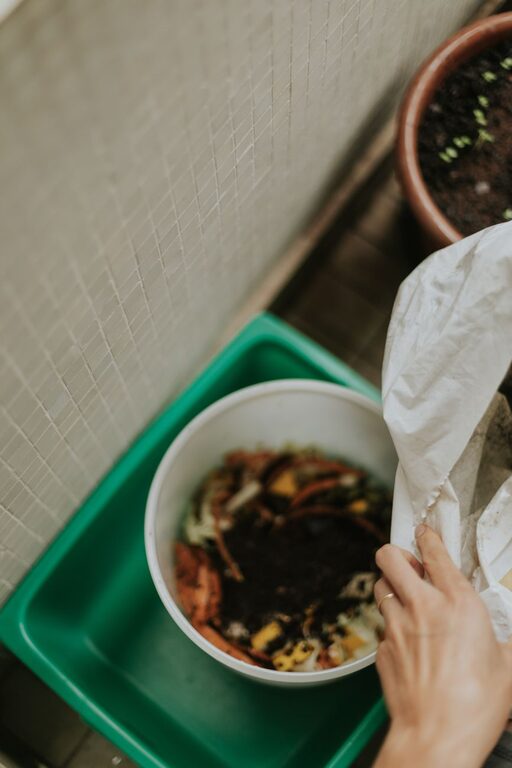
Use a small container with a lid to collect fruit and vegetable scraps, coffee grounds, and eggshells. Transfer the compost to a larger outdoor bin or community compost drop-off.
Monitor Your Food Waste Habits
Keep a Food Waste Diary
Track what you throw away for a week to identify patterns. Are you buying too much of one item? Buying food that spoils quickly? Awareness is the first step toward change.
Adjust Shopping and Cooking Habits
Based on your diary, tweak your shopping list and meal planning to better match what you actually consume.
Tips for Handling Specific Food Types
Bread
Freeze extra bread to keep it fresh longer. Toast slices directly from the freezer when needed.
Fruits
Ripen fruits like bananas and avocados on the counter. Store ripe fruit in the fridge and use them quickly or freeze for smoothies.
Vegetables
Use a salad spinner with damp paper towels to keep leafy greens fresh. Store herbs wrapped in a damp cloth in the fridge.
Dairy and Dairy Alternatives
Check expiration dates regularly and use products before they go bad. Use sour milk or yogurt in baking recipes.
Final Thoughts
Reducing food waste at home doesn’t require major lifestyle changes—small, consistent steps add up. By planning meals, storing food properly, making use of leftovers, and composting scraps, you contribute to a healthier environment and save money. Start with a few simple habits today, and watch how they benefit your home and the planet.