







Tips for Keeping Your Houseplants Healthy and Thriving
Bringing houseplants into your home can add beauty, improve air quality, and create a calm atmosphere. However, keeping them healthy requires a bit of knowledge and care. Whether you’re a beginner or a seasoned plant parent, these tips will help your indoor plants thrive.
Understanding Your Plant’s Needs
Know Your Plant Type
Every plant species has its own unique needs. Some prefer bright, direct sunlight, while others thrive in low light. Familiarize yourself with the specific requirements of each plant to provide the best care.
Light Requirements
– Bright light: Succulents and cacti do well near windows with lots of sun.
– Medium light: Many tropical plants, like pothos and philodendrons, prefer indirect but bright light.
– Low light: Plants such as snake plants and ZZ plants can tolerate lower light conditions.
Place your plants accordingly to prevent issues like leggy growth or leaf burn.
Watering Wisely
Watering Frequency
Overwatering is one of the most common mistakes. Most houseplants prefer their soil to dry out slightly between watering. Check the soil moisture by sticking a finger about an inch deep; if it feels dry, it’s time to water.
Watering Tips
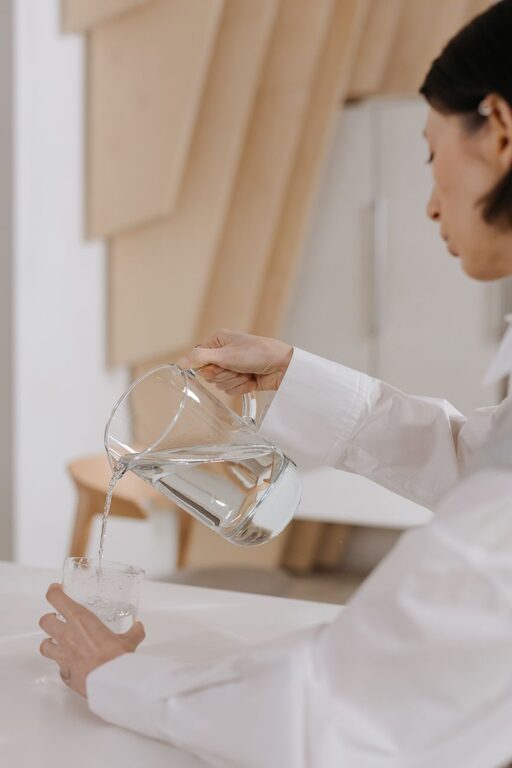
– Use room temperature water to avoid shocking the roots.
– Water until it drains out the bottom to ensure even moisture.
– Empty excess water from saucers to prevent root rot.
Signs of Improper Watering
– Overwatering: Yellowing leaves, wilting despite moist soil.
– Underwatering: Dry, crispy leaves, drooping stems.
Adjust watering habits based on these signs.
Choosing the Right Soil and Pots
Potting Mix
Use well-draining soil designed for your specific plant type. For example, succulents need sandy, fast-draining soil, while ferns prefer rich, moisture-retentive soil.
Pot Selection
Choose pots with drainage holes to avoid water buildup. The size should allow some room for growth but not be too large, as excess soil can hold water and cause root problems.
Feeding Your Plants
Fertilizing
Houseplants benefit from occasional feeding, especially during their active growing seasons (spring and summer). Use a balanced, water-soluble fertilizer, following the label instructions. Avoid over-fertilizing, which can damage roots.
Maintaining Humidity
Many indoor plants come from tropical environments and enjoy higher humidity levels.
Ways to Increase Humidity
– Group plants together to create a microclimate.
– Use a humidity tray filled with water and pebbles under pots.
– Mist the leaves occasionally with water (avoid excess moisture on foliage).
– Consider a small indoor humidifier.
Pruning and Cleaning
Pruning
Regularly trim dead or yellow leaves and spent flowers. This encourages healthy new growth and improves air circulation.
Cleaning Leaves
Dust can block sunlight and reduce photosynthesis. Gently wipe leaves with a damp cloth or give your plants a lukewarm shower occasionally.
Monitoring for Pests and Diseases
Keep an eye out for common pests like spider mites, aphids, and mealybugs. Early detection makes treatment easier.
Natural Pest Control Tips
– Wipe leaves with soapy water.
– Use insecticidal soap or neem oil as a safe option.
– Quarantine new plants before introducing them to your collection.
Repotting When Needed
Plants may outgrow their pots over time. Signs you need to repot include roots growing out of drainage holes or soil drying out quickly.
Choose a pot one size larger and refresh the soil during repotting. This provides fresh nutrients and more space for roots to expand.
Creating a Routine
Set a schedule to check on your plants regularly. Consistent care is key to their long-term health. Enjoy the process of learning what works best for your unique indoor garden.
—
With these practical tips, you’re well on your way to nurturing healthy, vibrant houseplants. Remember, each plant is different, so patience and observation will lead to a green-thumb success. Happy planting!