









Beginner Guide to Mindful Walking: Steps to Calm and Clarity
Mindful walking is a simple yet powerful practice that combines movement with mindfulness to help you feel more grounded, calm, and present. If you’re looking for a way to bring more awareness and relaxation into your daily routine, this beginner guide to mindful walking will show you how to get started.
What Is Mindful Walking?
Mindful walking is the practice of paying close attention to the experience of walking. Unlike regular walking where you might be distracted or focused on getting somewhere quickly, mindful walking invites you to slow down and notice the sensations of each step, your breath, and your surroundings without judgment.
This practice is a form of moving meditation that encourages you to be fully engaged in the present moment. It can help reduce stress, improve focus, and deepen your connection to your body and the world around you.
Benefits of Mindful Walking
Before diving into how to practice mindful walking, it’s helpful to understand some of its benefits:
– Reduces stress and anxiety: Focusing on your body and breath can calm your nervous system.
– Improves concentration: Mindfulness during walking enhances your ability to stay attentive.
– Enhances physical health: Walking is a gentle exercise that supports cardiovascular health.
– Boosts mood: Being present in nature or your environment can uplift your spirits.
– Promotes body awareness: Notice subtle movements and sensations you often overlook.
Getting Started: What You Need
One of the best things about mindful walking is that you don’t need any special equipment or location. Here’s what you need:
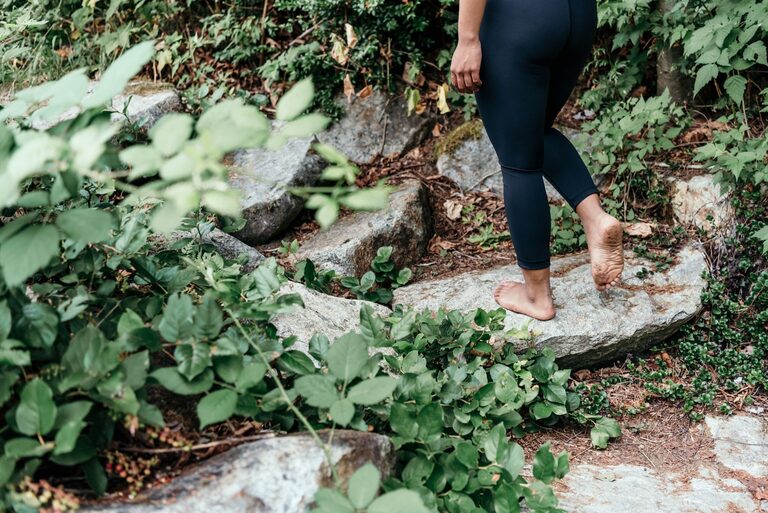
– Comfortable shoes or bare feet, depending on your preference.
– A safe walking space: a park, a quiet street, a garden, or even a hallway.
– A few minutes of free time — start with 5 to 10 minutes.
Step-by-Step Guide to Mindful Walking
Step 1: Set Your Intention
Before you begin, take a moment to set an intention. This could be something like “I want to be present,” “I want to relax,” or “I want to connect with my body.” Setting an intention helps focus your mind.
Step 2: Stand Still and Breathe
Stand still with your feet flat on the ground, about hip-width apart. Close your eyes if you’re comfortable or softly gaze downward. Take three deep, slow breaths. Notice how your body feels as you breathe.
Step 3: Begin to Walk Slowly
Start walking at a slower pace than usual. Pay attention to the way your feet lift, move forward, and touch the ground. Feel the heel hitting the floor, then the ball of your foot, and finally your toes.
Step 4: Focus on Sensations
As you walk, bring awareness to the physical sensations:
– The movement of muscles in your legs.
– The rhythm of your steps.
– The feeling of air on your skin.
– The sounds around you, like birds or wind.
If your mind wanders, gently bring it back to the sensation of walking.
Step 5: Coordinate Breathing and Steps (Optional)
Some people find it helpful to synchronize their breath with steps, such as breathing in for three steps and out for three steps. This can deepen concentration but is not necessary.
Step 6: Take in the Surroundings
Open your senses to your environment. Notice colors, shapes, smells, and textures. Try to observe without labeling or judging — just notice.
Step 7: End with Stillness
When you’re ready to finish, stop walking and stand quietly again. Take a few deep breaths and notice how your body feels now compared to before you started.
Tips for Successful Practice
– Start small: Begin with short sessions and gradually increase time.
– Practice regularly: Consistency is key to reaping benefits.
– Be patient: It’s normal for your mind to wander; gently redirect it.
– Try different locations: Indoor or outdoor, urban or nature settings.
– Use reminders: Set a daily alert to prompt mindful walking.
Common Challenges and How to Overcome Them
– Restless mind: When your thoughts drift, acknowledge them without judgment and return your focus to walking.
– Discomfort or fatigue: Choose comfortable shoes, adjust your pace, and walk shorter distances.
– Distracting environment: Find quieter places or go at less busy times.
Mindful Walking Variations to Explore
– Body scan walking: While walking, mentally scan your body for tension or discomfort.
– Guided mindful walking: Use apps or recordings that lead you through the practice.
– Gratitude walk: Focus on things you appreciate during your walk.
– Walking meditation with mantra: Repeat a calming phrase silently to enhance focus.
Incorporating Mindful Walking Into Your Life
Mindful walking can be a flexible practice that fits many lifestyles. Here are some suggestions:
– Replace a short car or bus ride with a mindful walk.
– Take mindful walking breaks during work or study.
– Use mindful walking as a transition between activities.
– Combine it with social time by walking with a friend and sharing observations mindfully.
Final Thoughts
Mindful walking is an accessible way to cultivate mindfulness and improve your overall well-being. By slowing down and paying attention to each step, you create space for calmness and clarity in your busy life. Try incorporating this gentle practice into your routine and enjoy the simple pleasure of being fully present on your feet.
—
Feel free to share your mindful walking experiences or tips in the comments below!