










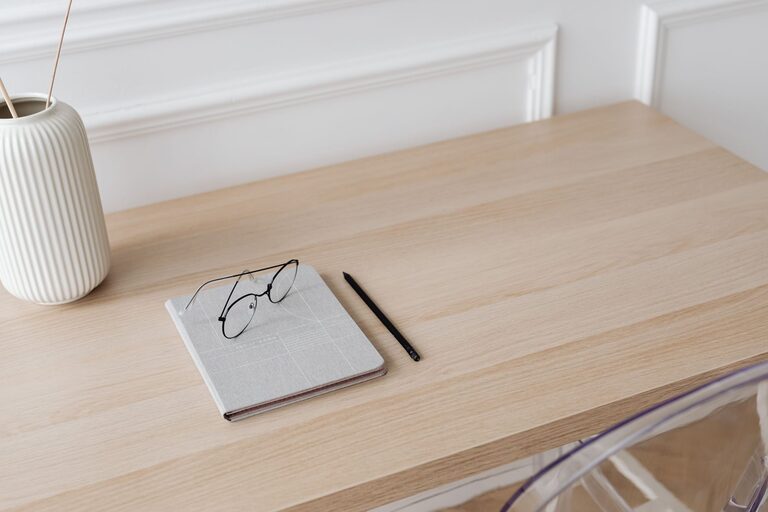
How to Create a Relaxing Home Workspace for Better Focus
Creating a relaxing home workspace is essential for maintaining focus, reducing stress, and improving productivity, especially if you spend a large part of your day working from home. A comfortable environment can make all the difference between feeling overwhelmed and enjoying your work routine. In this post, we’ll explore practical steps to help you design a workspace that supports both your mental well-being and your professional goals.
Why a Relaxing Workspace Matters
Your workspace influences how you approach your tasks. A cluttered, uncomfortable environment can lead to distractions, fatigue, and decreased motivation. On the other hand, a thoughtfully arranged and calming workspace can boost creativity, increase efficiency, and create a positive work-life balance.
Choose the Right Location
Find a Quiet Spot
Select a space away from high-traffic areas to minimize noise and interruptions. If privacy is limited, consider noise-canceling headphones or adding soft furnishings that absorb sound.
Maximize Natural Light
Natural light has been shown to improve mood and energy levels. Position your desk near a window if possible. If natural light is scarce, invest in adjustable, warm-toned lighting that mimics daylight.
Organize Your Workspace Effectively
Declutter Regularly
Keep your desk free of unnecessary items. Only essential tools like your computer, notebook, and a few personal items should remain. Use trays, drawers, or organizers to store supplies neatly.
Use Functional Storage
Shelves, filing cabinets, and desk organizers help keep papers and office supplies in order. Label storage spaces to make finding items quick and easy.
Choose Comfortable and Supportive Furniture
Invest in an Ergonomic Chair
Comfortable seating supports good posture, reducing back and neck strain. An adjustable chair that fits your body and promotes a healthy sitting position is worth the investment.
Select a Suitable Desk
Your desk should be at a height where your arms rest comfortably while typing. Consider options with adjustable heights to switch between sitting and standing.
Personalize Your Space Thoughtfully
Add Soothing Colors
Colors affect mood; soft blues, greens, and neutrals tend to be calming and can enhance focus. Avoid overly bright or distracting colors.
Incorporate Plants
Indoor plants improve air quality and add a natural touch that helps reduce stress. Low-maintenance plants like succulents or spider plants are great choices for a workspace.
Display Inspiring Items
A few personal mementos, such as photos or artwork, can make your workspace inviting without causing clutter or distraction.
Manage Technology Wisely
Keep Cables Organized
Use cable clips or sleeves to prevent tangled cords, which can add to visual clutter and frustration.
Minimize Notifications
Turn off non-essential notifications on your devices to maintain concentration.
Create a Routine for Breaks
Schedule Regular Breaks
Short, frequent breaks can reduce eye strain and mental fatigue. Use timers or apps to remind you to step away from your desk.
Use Break Time to Relax
Try stretching, deep breathing exercises, or a quick walk to recharge during breaks.
Maintain Good Air Quality and Temperature
Ventilate Your Space
Fresh air improves concentration and comfort. Open windows when possible or use an air purifier.
Regulate Temperature
Keep your workspace at a comfortable temperature; neither too hot nor too cold, to help maintain focus.
Tips for Staying Motivated in Your Workspace
– Set daily goals and prioritize tasks to keep your workflow organized.
– Use a calendar or task manager to track deadlines and progress.
– Keep a water bottle handy to stay hydrated throughout the day.
Conclusion
A relaxing home workspace is more than just aesthetics; it’s about creating an environment that supports your productivity and well-being. By carefully choosing your location, organizing efficiently, investing in comfortable furniture, and personalizing your space, you can transform your home office into a peaceful and inspiring place to work. Remember, small changes can make a big difference in how you feel and perform during your workday.